Believe in the Magic Retro SVG: Graphics for Crafts & Branding
As a brand designer and content marketer who’s built visual systems for over a dozen small businesses—from online coaches to handmade product brands—I opened Believe in the Magic Retro SVG expecting nostalgic charm. What I found was more strategic than sentimental: a cohesive, emotionally resonant graphic design asset that lands with clarity, not clutter.
First Impression: Warmth, Whimsy, and Instant Recognition
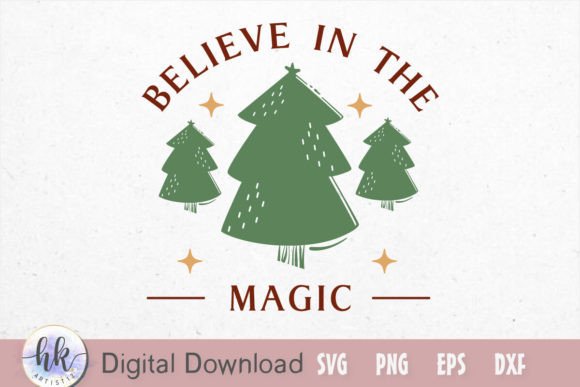
The moment it loaded in Illustrator, I felt the mood shift—cozy, confident, quietly joyful. This isn’t generic holiday clipart. The retro styling—soft halftone textures, subtle gradient shadows, and balanced negative space—evokes 1970s greeting cards meets modern editorial design. It feels handmade but professionally executed. For audiences scrolling fast on Instagram or Pinterest, that emotional tone matters more than technical specs: it signals authenticity, approachability, and seasonal intention without shouting.
A Real Campaign Fit: Launching a Holiday Content Kit
Last month, I helped a small business owner—a ceramicist selling limited-edition mugs—refresh her Q4 marketing. She needed a unified visual thread across email banners, Instagram carousels, printable gift tags, and Canva templates for her newsletter subscribers. Believe in the Magic Retro SVG became the anchor. We used the SVG version to scale cleanly across headers; the 300 dpi PNG for crisp blog graphics and email footers; and the DXF file to cut custom vinyl stickers for packaging inserts. It wasn’t just decoration—it was visual consistency made simple.
Where It Strengthens Brand Communication
- Brand identity: Works beautifully as a secondary mark or campaign emblem—especially for lifestyle, wellness, or creative small business branding where warmth builds audience trust.
- Social media graphics: Stands out in feeds without competing with text. Paired with clean sans serif fonts (like Inter or Montserrat), it creates strong visual hierarchy on Instagram posts and Facebook ads.
- Pinterest pins & editorial design: The transparent background and 6×6 inch sizing make it ideal for vertical layouts—perfect for blog graphics, lead magnets, and printable designs shared across content marketing channels.
- Packaging design & product labels: Adds tactile charm to kraft boxes, sticker sheets, or digital product visuals—elevating perceived value without requiring custom illustration.
- Digital ads & web design: Scales flawlessly from desktop banners to mobile-optimized hero sections when placed with intentional spacing and contrast.
What It Delivers for Marketing Goals
This graphic design asset directly supports seven key outcomes: a stronger first impression (thanks to its distinctive retro-modern blend), clearer visual hierarchy (its centered composition draws the eye naturally), more consistent branding (it’s instantly recognizable across formats), better product presentation (especially for handmade or artisanal goods), improved audience trust (nostalgia signals sincerity), stronger recognition (repetition of the motif across touchpoints builds memory), and more memorable campaign visuals (emotionally resonant = more likely to be saved or shared).
Best Uses: Hero Graphics, Branded Templates, and Decorative Accents
Believe in the Magic Retro SVG shines brightest where personality matters most: campaign headers, social media covers, branded Canva templates, packaging accents, content bundles, promotional banners, and decorative brand elements like email dividers or website section spacers. It also works exceptionally well inside editorial layouts—think holiday-themed newsletters, blog roundups, or digital product launch kits—as a unifying visual motif that ties disparate content together.
Careful Use Cases: Context Is Everything
This isn’t a one-size-fits-all logo replacement. Avoid using it in formal corporate branding, dense information layouts (like comparison tables or feature lists), or small mobile graphics where fine details blur. It can feel visually heavy against low-contrast backgrounds or overly minimal brands that rely on stark whitespace. And never place it directly over critical text—it’s a supporting actor, not the headline. In text-heavy ads or landing pages, use it as a subtle border element or corner accent instead of a central focal point.
Practical Brand Designer Notes
Before deploying Believe in the Magic Retro SVG in live campaigns, always: test it against your full brand color palette (does it pop on your primary background? harmonize with your accent tones?); check black-and-white usage (will it retain impact in monochrome print or grayscale previews?); drop it into real campaign mockups—not just isolated previews; preview on actual mobile screens (especially iOS Safari, where SVG rendering varies); test readability at thumbnail size (does the shape remain legible at 120px wide?); compare it side-by-side with competitor visuals (does it stand out—or blend in?); and pair it intentionally with typography (it balances beautifully with serif fonts for elegance, sans serifs for modernity, and display fonts for boldness—but can overwhelm script or handwritten fonts unless scaled down). Finally, confirm the commercial license covers paid campaigns, client work, and business branding—this is non-negotiable for professional branding.
Why Creative Entrepreneurs Should Consider It
In today’s saturated digital landscape, small business branding thrives on assets that do double duty: they’re both expressive and functional. Believe in the Magic Retro SVG fits seamlessly into a creative marketplace workflow—whether you're building a digital product, designing a printable promotion, or assembling a holiday content kit. It’s not just another Christmas Retro SVG—it’s a versatile, emotionally intelligent design asset that supports storytelling, strengthens recognition, and elevates everyday marketing visuals without demanding custom design time. For bloggers, social media managers, and product creators who need quality, consistency, and charm—fast—it’s a smart, scalable choice.