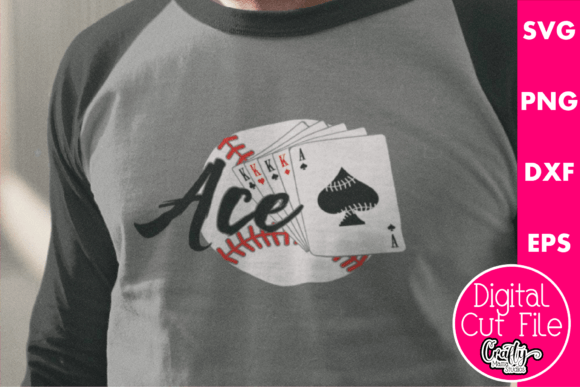
Baseball, Ace Baseball Pitcher
A Designer’s First Look: Bold, Playful, and Built for Stitching
When I opened Baseball, Ace Baseball Pitcher for the first time, my eye went straight to the pitcher’s confident stance—clean silhouette, strong arm angle, and subtle but expressive details like the glove texture and cap brim. It doesn’t scream “cartoon,” nor does it lean into hyper-realism. Instead, it strikes that sweet spot many embroidery designers chase: stylized enough to read clearly at 3–4 inches, yet detailed enough to feel intentional and handcrafted. As a machine embroidery designer who’s stitched hundreds of sports-themed pieces—from baby onesies to boutique aprons—I immediately pictured this on a navy cotton tote bag for a Little League coach’s gift. The shape is compact but not cramped; the negative space around the figure invites clean hooping and minimal stabilizer bleed.
Where This Design Truly Shines
Baseball, Ace Baseball Pitcher works exceptionally well in contexts where clarity, charm, and commercial appeal intersect. I recently tested it as a sweatshirt embroidery for a local youth baseball camp’s staff gear—and it held up beautifully. The design’s balanced weight distribution meant no puckering on mid-weight fleece, and the open areas (like the space between glove and ball) stayed crisp with standard tear-away stabilizer. It also translated smoothly onto a set of organic cotton tea towels for a craft fair: simple, recognizable, and just distinctive enough to stand out among generic sports graphics.
- Custom apparel: Ideal for crewnecks, raglan tees, and structured caps—especially when placed front-and-center or on the left chest.
- Personalized gifts: A natural fit for baby embroidery (think onesies or burp cloths), especially paired with soft pastel thread colors.
- Embroidered patch: Its defined outline and moderate detail level make it highly adaptable for iron-on or sew-on patches.
- Craft business & Etsy listings: As a T-Shirt Designs asset, it bridges niche appeal (baseball families, coaches, alumni) with broad handmade product potential.
- Holiday or seasonal merchandise: Works year-round, but gains extra warmth during spring training or Father’s Day collections.
What to Watch For—Real Embroidery Nuances
While Baseball, Ace Baseball Pitcher is thoughtfully composed, it’s not universally forgiving—and that’s okay. Every strong embroidery file has boundaries. Here’s where attention matters:
- Small hoop sizes: Avoid cramming it into anything under a 4×4 hoop without simplifying first. The glove stitching and cap curve need breathing room.
- Textured or stretchy fabric: On waffle-knit towels or lightweight jersey tees, use cut-away stabilizer and reduce stitch density slightly—especially in the satin-stitched cap brim.
- Dark fabric backgrounds: The design’s clean lines benefit from high-contrast thread (e.g., white or bright yellow on navy), but test your chosen thread color in natural light—it can mute detail if too close in value.
- Curved surfaces like caps: The pitcher’s upright posture helps, but avoid placing it too low on the crown where distortion risks increase.
- Frequent-wash items: If using for baby embroidery or kitchen towels, confirm the file uses secure underlay and avoids overly dense fill stitches in tight corners.
Design Integrity Meets Customer Trust
As an embroidery product reviewer and small shop owner myself, I pay close attention to how a design affects perceived value—not just in execution, but in buyer confidence. Baseball, Ace Baseball Pitcher reads as professional, not clip-art. That matters when you’re pricing a custom embroidered pillow cover at $48 or listing a digital embroidery file for commercial use on Etsy. Customers notice when a design feels *designed*, not assembled. The consistent line weight, intentional spacing, and absence of jagged vector edges all signal care—and that builds trust faster than any description ever could.
It also supports brand consistency. Whether you’re building a cohesive line of sports-themed nursery decor or launching a series of coach appreciation gifts, this design holds its own alongside coordinating quotes or companion graphics—without demanding visual dominance.
Practical Notes Every Embroiderer Should Run Through
Before committing Baseball, Ace Baseball Pitcher to your next finished product, here’s what I do—and recommend:
- Run a test on scrap fabric matching your project’s weight and weave—even if it’s just one corner of the pitcher’s glove.
- Check thread color contrast in both daylight and indoor lighting; some blues and greys shift dramatically.
- Review stitch density in the fill-stitch areas (like the jersey torso)—overly dense sections can cause stiffness on baby embroidery or lightweight apparel.
- Confirm hoop size compatibility with your machine and intended placement—especially for curved garments or narrow panels like apron straps.
- Inspect small details at actual stitch-out size: tiny features like the ball’s stitching or cap logo should remain legible, not fuzzy.
- Test a black-and-white mockup: if it reads strongly without color, you’ve got a winner for monochrome branding or limited-palette shops.
- Use proper stabilizer—no shortcuts. Even on stable cotton, a light tear-away prevents shadowing behind satin-stitched elements.
- Verify licensing terms before selling finished items or reselling the digital embroidery file—this is critical for Etsy sellers and digital product creators.
Final Thought: A Reliable, Human-Centered Graphic
Baseball, Ace Baseball Pitcher isn’t flashy—but it doesn’t need to be. It’s the kind of Graphics asset that earns repeat use because it delivers quietly, consistently, and with integrity. It fits seamlessly into real workflows: whether you’re prepping a batch of personalized gifts for a summer camp, building a cohesive collection for your handmade shop, or sourcing dependable design assets for client apparel projects. It respects the craft, honors the customer’s expectation of quality, and leaves room for your own voice as a designer. In a market full of overcomplicated SVGs and underdeveloped PNGs, that kind of grounded reliability is rare—and worth holding onto.